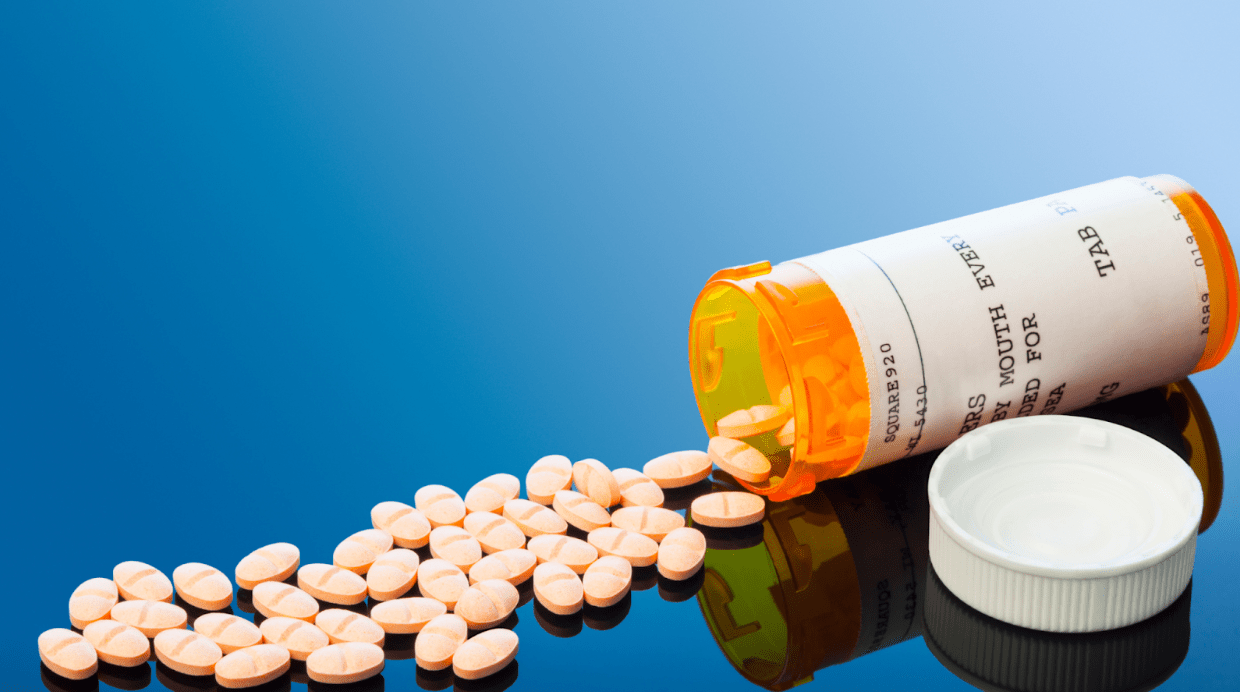
Addiction rates in North America have been steadily increasing over the past decade, affecting individuals, families, and communities across the continent. From opioids and prescription medications to alcohol and behavioral addictions, more people are struggling with substance use than ever before. Understanding why addiction is rising and exploring the most effective treatment options is essential for anyone seeking recovery. Compassionate, evidence-based, and personalized care offers hope and real solutions for lasting change.
Factors Driving Rising Addiction Rates
Addiction is influenced by a combination of societal, environmental, and individual factors. Several trends have contributed to the increasing rates across North America.
Opioid and Prescription Drug Misuse
The opioid crisis remains a major driver of addiction-related issues. Prescription painkillers, heroin, and synthetic opioids have contributed to a rise in overdose deaths and long-term substance use disorders. Easy access to prescription medications and the misuse of these drugs have created a public health emergency that continues to affect millions.
Mental Health Challenges
Co-occurring mental health conditions, such as anxiety, depression, and trauma, often contribute to substance use disorders. Individuals may turn to drugs or alcohol to cope with emotional pain, creating a cycle that is difficult to break without professional intervention. Addressing mental health as part of addiction treatment is critical for successful recovery.
Social and Economic Stressors
Economic instability, unemployment, and social isolation can increase vulnerability to substance use. The pressures of modern life, combined with the lingering effects of the COVID-19 pandemic, have exacerbated stress and contributed to higher rates of addiction. Understanding these societal factors helps treatment providers design more effective, holistic recovery plans.
What Effective Treatment Looks Like Today
Modern addiction treatment focuses on personalized, evidence-based strategies that address both substance use and underlying mental health conditions. Successful programs are comprehensive, flexible, and client-centered.
Inpatient and Outpatient Care
Inpatient programs provide a structured environment for individuals with severe addiction or co-occurring disorders. These programs include medical supervision, detoxification, individual and group therapy, and education on relapse prevention. Outpatient programs allow clients to maintain daily responsibilities while receiving ongoing support and therapy. Both approaches are effective when tailored to the individual’s needs.
Integrated Mental Health Treatment
Integrated care addresses both addiction and mental health simultaneously. Co-occurring disorders are treated with therapy techniques such as cognitive behavioral therapy, trauma-informed therapy, and motivational interviewing. This dual approach reduces relapse risk and equips clients with coping strategies for long-term recovery.
Holistic and Faith-Based Approaches
Holistic treatment programs focus on the mind, body, and spirit. Practices such as mindfulness, yoga, nutrition guidance, and stress management complement traditional therapy. Faith-based programs offer spiritual support and community connection, helping clients rebuild purpose and resilience. Combining these approaches with conventional treatment strengthens engagement and outcomes.
Personalized Recovery Plans
Each recovery journey is unique. Treatment plans that consider the client’s substance use history, mental health needs, personal goals, and support networks provide a tailored roadmap for success. Personalized care ensures that therapy, community resources, and aftercare support align with the individual’s lifestyle and aspirations.
Moving Toward Lasting Recovery
Rising addiction rates highlight the urgent need for comprehensive, compassionate care. Recovery is possible with the right combination of medical treatment, therapy, holistic practices, and community support. Early intervention, professional guidance, and family involvement all play a critical role in helping individuals achieve lasting change.
Conclusion
Addiction rates in North America are rising due to a complex mix of factors, including opioid misuse, mental health challenges, and social stressors. Effective treatment today is evidence-based, holistic, and personalized, combining inpatient and outpatient care, integrated mental health support, and faith-based or community resources. If you or a loved one is struggling with addiction, taking the first step toward professional help can transform lives. Reach out today and begin a journey toward recovery, resilience, and a healthier future.
Be First to Comment